
Most punters reckon the hardest casino game to master is the one with the fastest payouts, but the real trap hides in plain sight. When you strip back the lights and the sound effects, the mathematics that underpins all casinos was born from a gambling question posed by a French mathematician trying to split stakes fairly. That same expected-value logic still decides which games punish bad habits and which ones simply test your nerve. From an operator finance angle, the house edge is just a built-in margin, and the player who ignores it is funding someone else’s payroll. I’ve spent years modelling cash flow for iGaming operators, and the numbers always show that skill-adjacent games feel fairer than they actually are. That’s why “maybe” is more compelling than a guaranteed small prize, because the promise of a big swing keeps the wallet open longer than a flat, predictable return ever could.
Why table classics feel easier until the variance kicks in
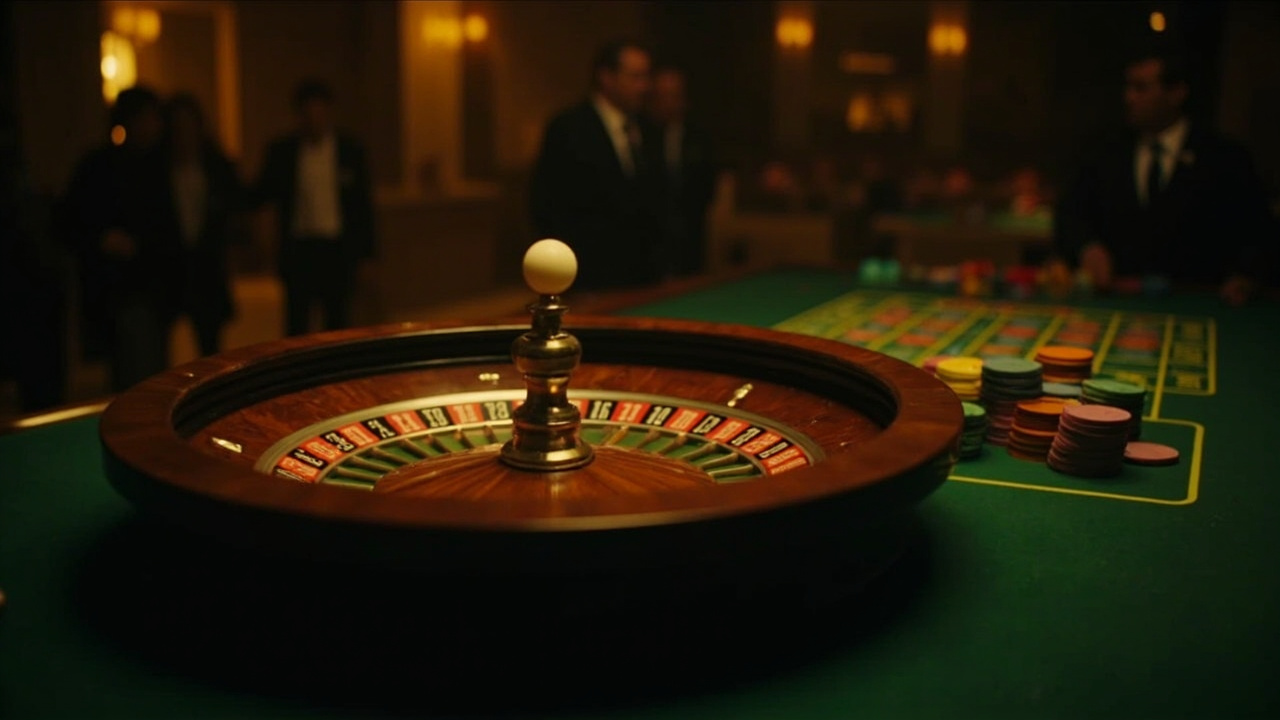
Baccarat and blackjack look straightforward because the rules are tight and the decisions are limited, which is exactly why they’re the hardest casino game to master for anyone chasing consistency. The edge is thin, the pace is steady, and the swing is small enough that most players mistake a short winning run for a workable system. I’ve sat through enough sportsbook finance reviews to know that a low-variance product only looks benign when the sample size is too small to expose the drift. On the table, that drift shows up as a few bad hands or a dealer hitting a soft seventeen, and suddenly the bankroll that looked stable on Monday is leaking by Friday. The real skill isn’t memorising basic strategy charts; it’s knowing when the session has turned and walking away before the maths finishes its work. Most venues, whether you’re at a busy Brisbane pub strip or logging in from the couch, price that discipline into the game design without ever saying it out loud.
The wagering requirements on a welcome bonus can make that discipline even harder to hold, because the fine print usually caps the games that count and stretches the playthrough over a window that doesn’t match your actual session length. A 30x rollover on a A$200 bonus sounds manageable until you realise the eligible table games contribute only a fraction of the slot equivalent, and the clock keeps ticking regardless of whether you’re winning or grinding. I’ve modelled the same structure for operator-side promotions, and the contribution weighting is where most players trip up – they treat a bonus as extra playing capital instead of a locked bucket with its own expiry date. The smarter read is to treat the offer as a limited-time session budget, not a free pass, and to check the eligible game list before you sit down. If the terms push you toward high-variance slots to clear the playthrough, you’re no longer playing the table game you thought you’d mastered; you’re just paying a steeper entry fee to chase a number that was never yours to begin with.
Where pokies and live dealer tables trip up the regular punter
Pokies and live dealer tables look different on the surface, but they share the same quiet trap: the visual pace masks the expected loss rate, which is precisely why the hardest casino game to master is often the one that feels the most familiar. A well-programmed pokie keeps the feedback loop tight enough to make a losing session feel like a near-miss, and a live dealer table adds just enough human ritual to soften the sting of a bad run. I’ve seen the same effect in sportsbook finance, where a busy market window can make a losing position feel like a temporary blip rather than a structural leak. The operator side knows that retention comes from the illusion of control, not from actual control, and the player who doesn’t read that signal is the one who overstays the session. That’s why the regular punter who treats every spin or hand as a fresh decision often ends up with a thinner wallet than the one who accepts the underlying edge and manages the exposure.
A recurring promotions calendar can quietly shift that exposure, because reload offers and weekly cashback deals are usually structured to reward volume rather than discipline. The eligibility rules tend to rotate, the contribution tiers change, and the limits on how much of your stake counts toward the bonus are often buried in a terms update that nobody reads on a arvo coffee break. From an accounting perspective, that’s a deliberate design choice: the operator wants the bonus to feel like a regular perk while the playthrough structure quietly tilts the session toward higher-margin games. I’ve reviewed enough promotion calendars to know that the player who chases every reload without checking the wagering window and the game weighting is effectively paying a subscription to stay in the game. The better habit is to treat each offer as a standalone decision, read the contribution table, and only take the deal if it fits the session you were already planning to play.
That means chasing a quick top-up can easily land you in a tier that pays out slower than expected, especially when the fine print quietly caps your withdrawal speed. If you want to avoid getting tangled in rotating rules and delayed payouts, it pays to compare platforms that prioritise transparent cashout windows alongside their bonus structures. You can find a practical breakdown of which operators actually deliver on that promise at best australian online casino instant withdrawal.
How an operator-side view changes the way you pick a session
From an operator finance perspective, the hardest casino game to master is the one where the player’s instinct and the house margin are pointing in opposite directions, because that’s where the session gets expensive without looking like it. I’ve built cash flow models for iGaming operators where the real profit driver isn’t the edge on a single hand or spin; it’s the combination of average session length, average stake, and the rate at which players chase a swing that the maths already priced in. That same lens applies to the punter sitting in a Brisbane backyard barbie, watching the smoke rise and wondering whether to put another ten on the table or call it a day. The operator knows that the player who treats the game like a skill challenge instead of a priced event is the one who stays too long, and the numbers always catch up.
Two mates at a local pub, one nursing a flat white and the other halfway through a cold one, might have it out over whether the pokies or the table games are the real trap. One reckons the pokies are the hardest casino game to master because the reels spin fast and the near-misses keep you glued, while the other argues the live dealer table is worse because the slow pace makes every bad beat feel personal. The truth is both are right, just for different reasons, and the operator’s margin doesn’t care which one you picked – it only cares that you kept playing. That’s the bit most players miss: the game doesn’t have to be rigged for the session to turn against you, it just has to be priced correctly and played longer than the edge can tolerate.
The practical read is to pick the session before you pick the game, set a loss limit that actually hurts, and treat any bonus as a separate bucket with its own rules instead of extra spending money. If you’re looking at a site that can move funds quickly when you decide to stop, the withdrawal speed matters more than the flashy welcome offer, because the real test of a session is how easily you can walk away when the numbers stop going your way. A best australian online casino instant withdrawal setup tends to make that exit cleaner, though the speed of the payout never changes the underlying edge on the game you just played. The smartest play is to remember that the hardest casino game to master is the one you keep returning to without a plan, and the plan always beats the promise of a big swing.